


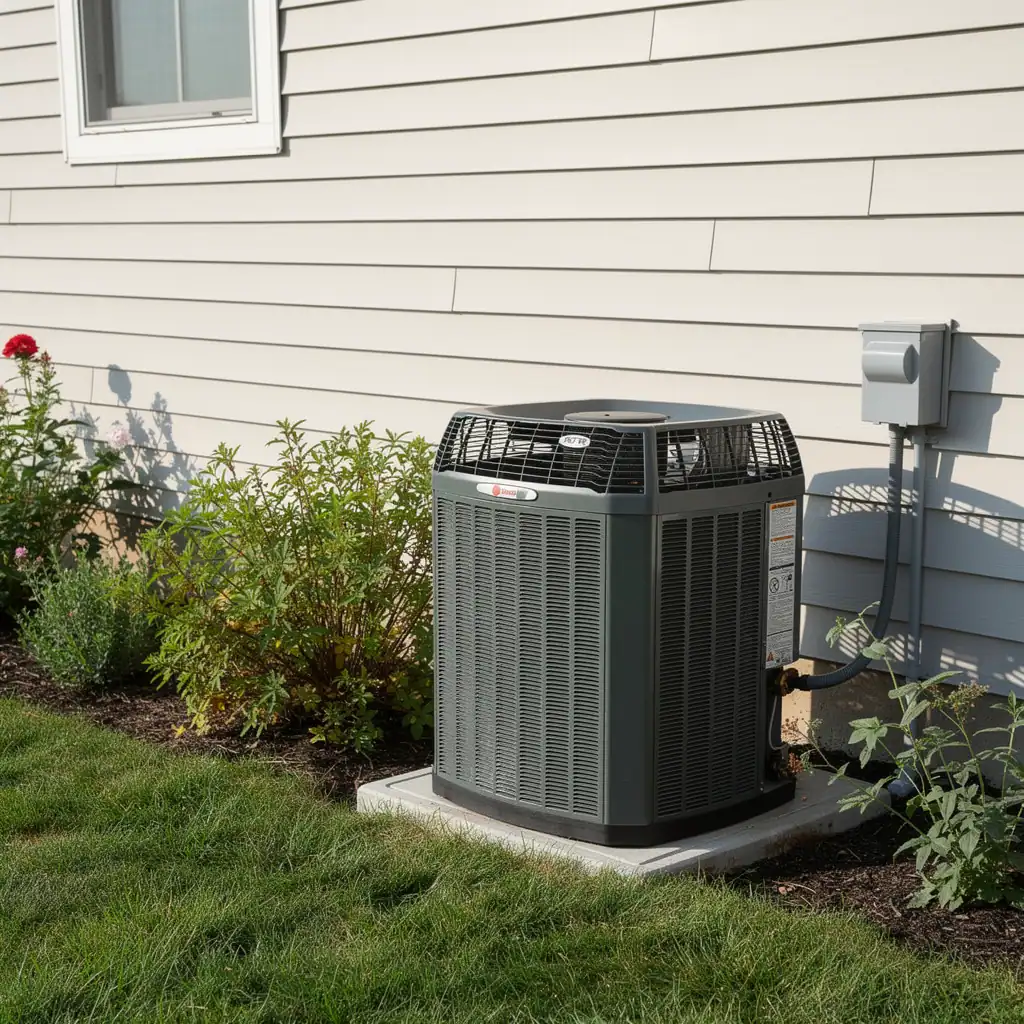
When a furnace finally gives out, or when it’s time to plan a new install, the heat pump versus furnace question comes up almost every time in Northeast Ohio. Both can heat a home reliably, but they get there in very different ways, and which one makes sense for you depends heavily on your climate, your energy rates, and whether you want one system that also handles summer cooling.
How Each System Actually Heats Your Home
A furnace creates heat directly, either by burning natural gas or propane, or by running electricity through resistance coils. A heat pump doesn’t create heat at all; it moves heat from the outside air into your home, essentially running like an air conditioner in reverse. That difference in approach is the root of nearly every other distinction between the two systems.
Efficiency: Why a Heat Pump Can Beat 100%
Because a heat pump moves existing heat rather than generating new heat, it can deliver up to 300% efficiency or more, meaning it can put out several times more heat energy than the electrical energy it consumes. A furnace, by contrast, tops out under 100% efficiency, since it’s limited by how completely it can burn fuel or convert electricity directly into heat. On paper, that makes a heat pump the more efficient machine, but the real-world math also depends on your local electricity and gas rates, not just the equipment itself.
Climate and Comfort: The Ohio Winter Question
This is where the decision gets specific to where you live. Heat pumps work best in mild to moderate winter climates and deliver a gentler, more humid warmth than a furnace. Newer cold-climate heat pump models handle lower temperatures far better than older units did, but performance still drops off in the kind of extended sub-freezing stretches Northeast Ohio sees most winters. A furnace, on the other hand, delivers hot, dry air quickly and holds its output steady no matter how cold it gets outside.
The Dual-Fuel Option Most Homeowners Don’t Know About
You don’t have to pick strictly one or the other. A dual-fuel, or hybrid, system pairs a heat pump with a gas furnace, automatically leaning on the efficient heat pump for most of the heating season and switching over to the furnace only during the coldest snaps. For a lot of homes in our area, this hybrid approach captures the heat pump’s efficiency savings for the majority of the year while keeping the furnace’s reliable output in reserve for January’s worst weeks.
Cost and the Cooling Bonus
Furnaces generally have a lower upfront equipment and installation cost, but they only heat; you still need a separate air conditioner for summer. A heat pump costs more to install initially, but it provides both heating and cooling in a single system, which changes the cost comparison considerably once you factor in that you’re not buying two pieces of equipment. Ongoing operating costs come down to your specific electricity versus gas rates, so the system that saves one household money isn’t automatically the better financial choice for the house next door.
Heat Pump vs. Furnace: Common Questions
Which is more energy efficient, a heat pump or a furnace?
A heat pump is generally more efficient because it moves heat instead of generating it, often exceeding 300% efficiency compared to a furnace’s sub-100% output. Actual savings still depend on local energy rates.
What are the estimated installation costs for each?
Furnaces typically cost less upfront but require a separate air conditioner. Heat pumps cost more initially but include cooling, so the full comparison should weigh both heating and cooling equipment together, not the heating unit alone.
Is a heat pump enough for an Ohio winter on its own?
A modern cold-climate heat pump can handle most of an Ohio winter, but performance drops in extended sub-freezing stretches. Many homeowners here pair one with a furnace in a dual-fuel setup to cover the coldest weeks.
Are there rebates available for upgrading to a heat pump?
Utility and government incentives for high-efficiency heating upgrades change from year to year and by location, so it’s worth asking your contractor what’s currently available in Medina and Summit County before you finalize a decision.
Not sure which setup fits your home and budget? Schedule a heating assessment with Dee’s Heating and Cooling and we’ll walk you through the real numbers for your house, not just the general rule of thumb.