


Most homeowners’ entire indoor air quality strategy is “buy a slightly better filter every few months.” That’s not nothing, but it’s also not what a whole-home filtration system is, and the difference matters if allergies, dust, or musty smells are a recurring complaint in your house.
What’s Actually in Your Indoor Air
Indoor air quality problems come from a handful of repeatable sources: combustion byproducts from gas stoves, fireplaces, or an aging furnace; VOCs off-gassing from paint, cleaning products, and new furniture; biological allergens like mold, pollen, pet dander, and dust mites that thrive in humid areas of the home; and in some homes, naturally occurring radon seeping up through the foundation. None of these are exotic problems — they’re present in some amount in nearly every house, just at different levels.
Why It Matters Beyond “It Smells Musty”
Poor indoor air quality shows up short-term as eye, nose, and throat irritation, headaches, and general fatigue that people often blame on “just being tired.” Over longer exposure, it can worsen asthma and allergy symptoms and increase susceptibility to respiratory illness. This is why indoor air quality is worth treating as a health topic, not just a comfort preference.
What a Whole-Home Filtration System Actually Does Differently
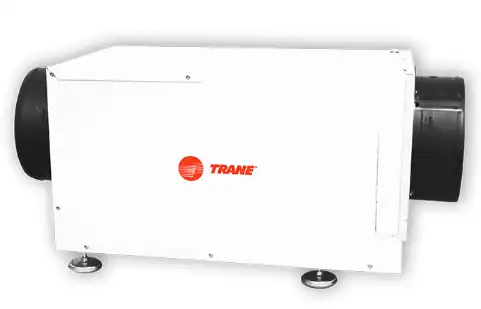
A standard furnace filter catches larger particles as air passes through your existing ductwork — better than nothing, but limited. A whole-home filtration system is installed directly into your HVAC system and continuously filters all the air circulating through your home, typically capturing much finer particles than a standard filter alone, without requiring you to run separate portable units in every room. Paired with proper ventilation (exhaust fans actually venting stale air out) and humidity control — keeping indoor relative humidity in the 35% to 50% range curbs both mold growth and dust mite populations — a whole-home system addresses the problem at the source rather than room by room.
What It Costs and What Affects the Price
Cost varies based on your existing ductwork, the size of your home, and which filtration technology you choose (mechanical HEPA-style filtration versus UV or electronic air cleaners serve different problems — mechanical filtration handles particles, UV addresses biological growth). The honest answer to “how much does a whole-home air filtration system cost” is that it depends enough on your specific home that a real number requires an actual assessment rather than a blog-post estimate.
How Many Filters Does a House Actually Need?
This is a surprisingly common question, and the answer depends on your system’s configuration — some homes have a single central filter at the return, while others (especially larger or zoned homes) may have multiple return points, each needing its own filter. Part of any indoor air quality assessment is simply confirming your existing system is filtering correctly before adding anything new.
Is This a DIY Fix or a Professional Job?
Portable air purifiers and better disposable filters are legitimate DIY steps and worth trying first if the issue is mild. Whole-home filtration, humidity control tied into your HVAC system, and anything involving ductwork modifications are professional installs — this is equipment that needs to be correctly sized and integrated with your existing system to work as intended, not just placed in a room.
FAQ
What is a whole-house air filtration system? A filtration unit installed directly into your HVAC system that filters all circulating air throughout the home, rather than treating one room at a time.
How much does whole-home air filtration cost to install? It depends on your ductwork, home size, and the filtration technology chosen — an in-home assessment gives an accurate number.
Do I need a whole-home system, or is a better furnace filter enough? If symptoms are mild and occasional, a better filter and good ventilation habits may be enough. Persistent allergy symptoms, musty odors, or high humidity issues are signs it’s worth a professional evaluation.
What’s the ideal indoor humidity level? Between 35% and 50% relative humidity — below that range increases dust and static, above it encourages mold and dust mites.
Not sure what’s actually affecting your air quality? Get a home assessment before spending money on a fix that may not address the real cause.